Energy and Motion
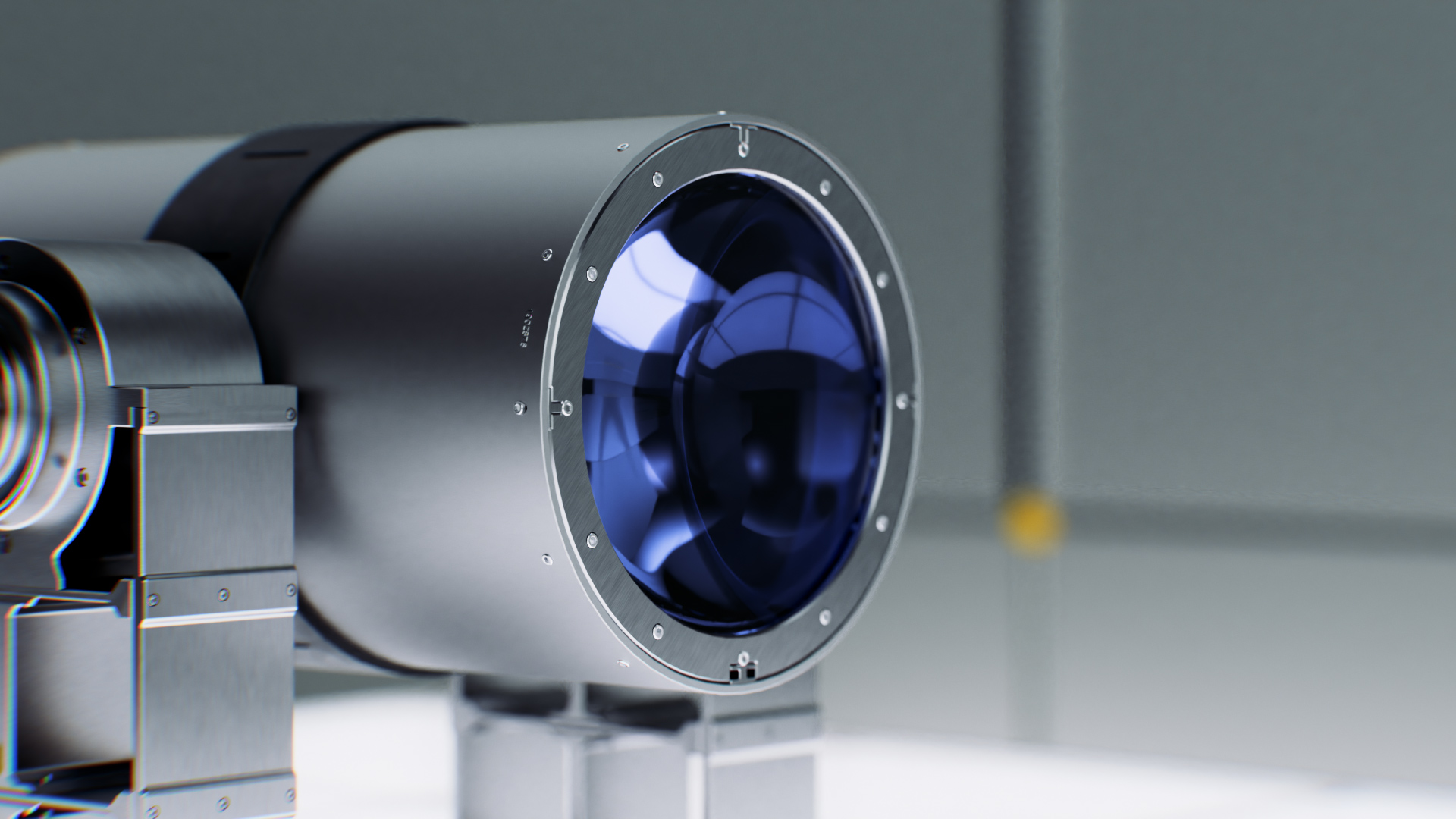
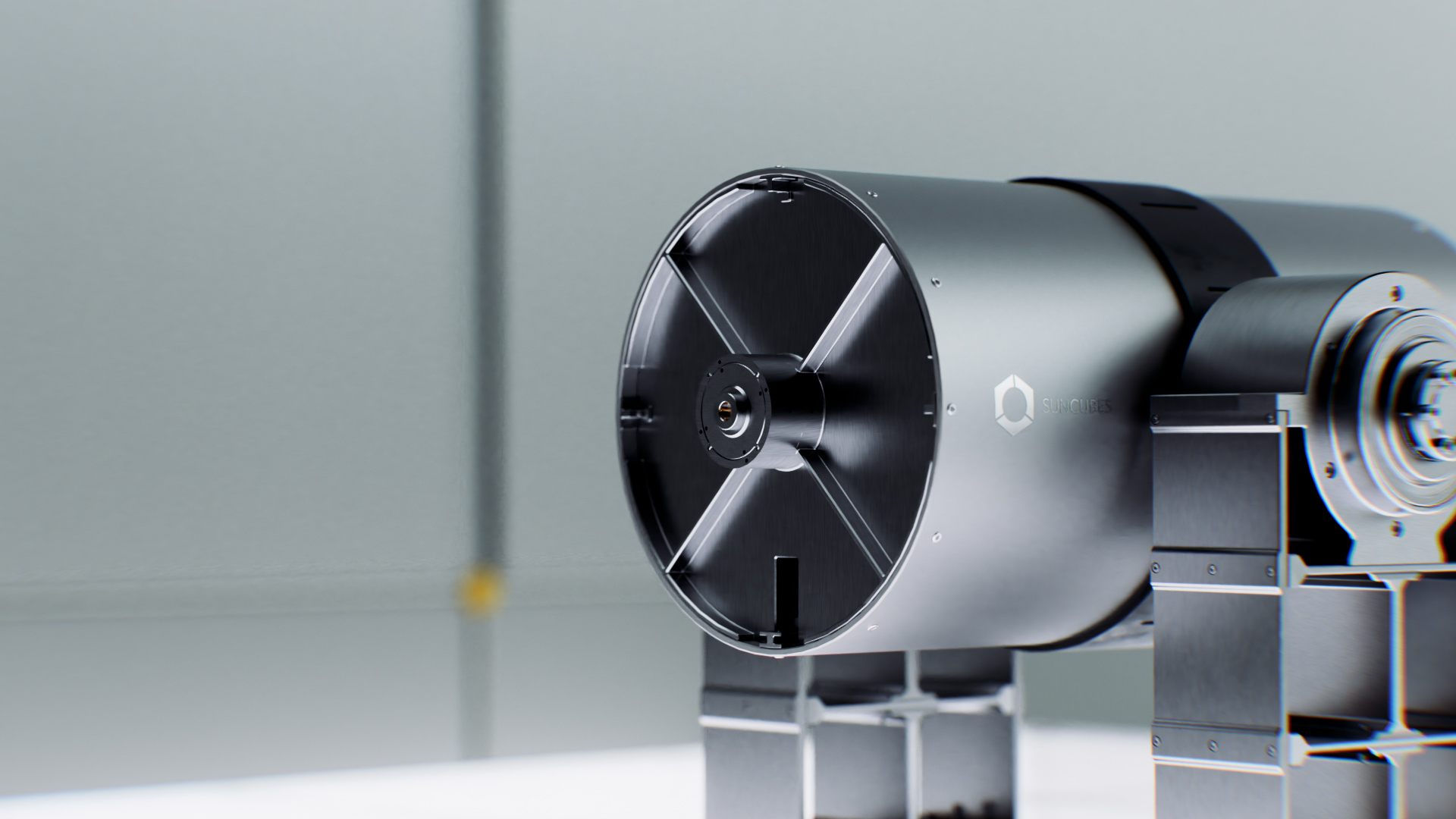
Generating light is simple. Controlling it as a power carrier is the hard part. The transmitter must shape, collimate, modulate, and steer the beam while compensating for thermal drift, vibration, platform motion, and alignment error. Any loss at this stage affects the full energy chain.
High-efficiency diode or fiber laser matched to the receiver conversion band, selected to improve end-to-end efficiency before the beam leaves the aperture.
Optical elements control divergence, beam profile, and aperture use. Active alignment keeps the beam within operating tolerance across the target range.
Closed-loop pointing compensates for platform motion, wind loading, thermal expansion, and receiver displacement. The transmitter continuously follows the target.
Emission is adjusted in real time using receiver feedback, link quality, environmental conditions, and safety state. Power is controlled, not simply switched on.
Transmitter health, beam diagnostics, pointing accuracy, and output power are monitored continuously. Deviations trigger adaptive correction or controlled shutdown.
System efficiency begins at the transmitter. A poorly controlled beam loses power before it reaches the receiver, and downstream electronics cannot recover it.